


He Bought Land at Auction — Then Someone Tried to Take It While He Was in the Hospital
In 2005, “Martin Hale” thought he’d pulled off a tidy auction win.
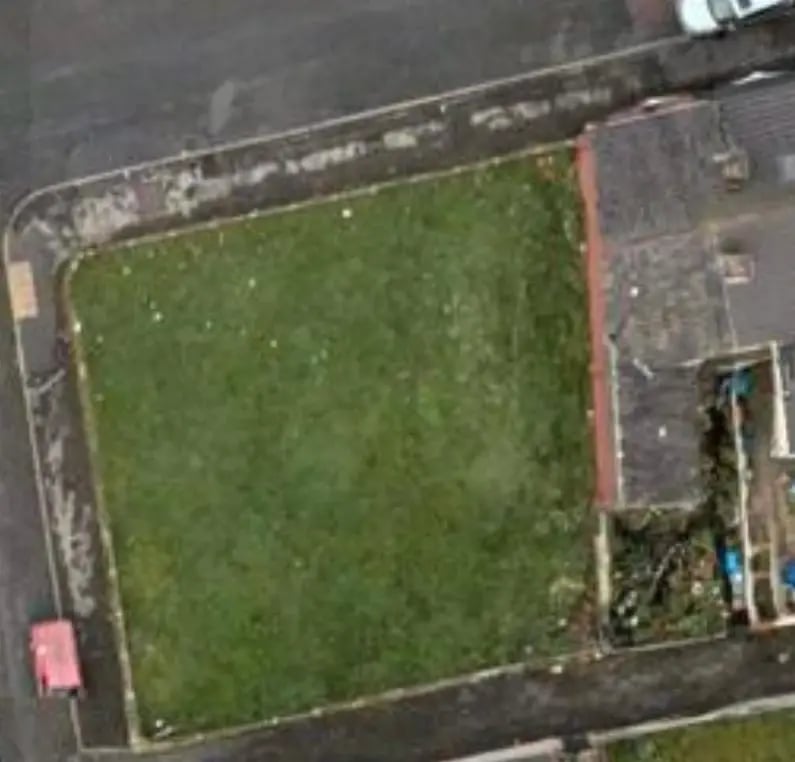
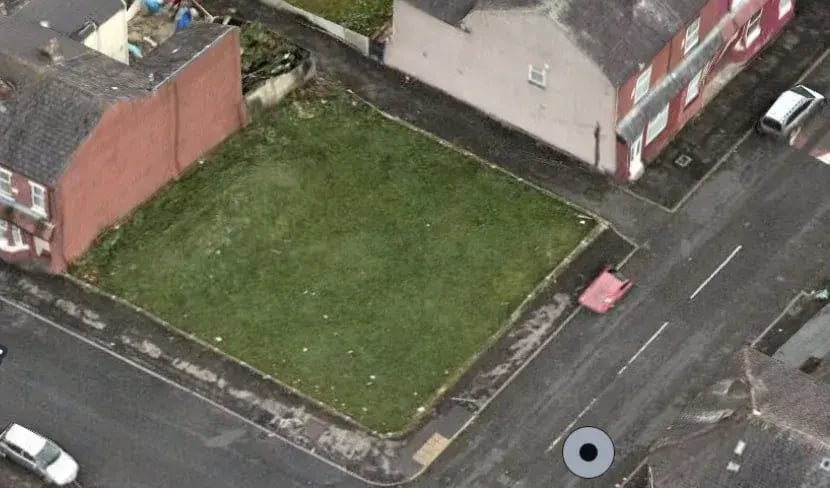
A small parcel of land in Greater Manchester. No buildings. No tenants. No drama. Just a straightforward purchase, he planned to hold while he explored planning permission with the council.
There was only one problem — a detail so small he barely noticed it at the time.
When he completed the paperwork, Martin entered the land’s address as his contact address.
It didn’t feel significant. The plot was the only address linked to the purchase, and auctions move fast. He assumed he’d tidy it up later.
Later, however, tends not to arrive when life gets complicated.
The land sat idle while Martin was busy
Martin did what many landowners do: he left the land untouched while he pursued planning permission. The plot wasn’t in daily use. No post to collect. No reason to visit weekly.
Then life intervened.
Over the years, Martin became busy with other responsibilities, and he spent long periods in and out of the hospital for treatment. Planning drifted. The land remained quiet. And the title record still showed an address where nobody lived.
Until someone else decided “quiet” meant “available”.
A developer wanted the land — but couldn’t find the owner
A developer - “Northline Developments” (name changed) became interested in the plot, likely because it could be valuable when combined with surrounding land.
They tried to contact the owner.
But when the address on the title is the land itself, you can see the problem:
- Letters go to an empty site
- Visits achieve nothing
- The owner appears to have “disappeared”
From the developer’s perspective, the owner couldn’t be reached.
From Martin’s perspective, he didn’t even know anyone was looking.
What is adverse possession in simple English law terms?
At this point, the developer took a more aggressive route and attempted adverse possession.
In simple terms, adverse possession is when someone tries to become the legal owner of land by:
- occupying it without permission
- for a long period of time
- in a way that looks like ownership
- and then applying to HM Land Registry to be registered as the owner
People sometimes call it “squatters’ rights”, but that phrase can mislead. It isn’t automatic, and it isn’t easy. The rules depend on the type of land (especially whether it’s registered), the length and nature of occupation, and whether the true owner can be traced and notified.
One practical risk stands out, though:
If your contact details on the title are wrong, you can miss important correspondence — and the situation can escalate before you even realise there’s an issue.
The buyer arrived — and found a fence that shouldn’t exist
Years later, Martin was finally ready to sell.
A legitimate buyer, “Sophie Grant” (name changed), did what any sensible buyer does: she visited the land.
What she saw stopped the sale immediately.
The plot was fenced off.
Not by Martin.
By someone else.
There were clear signs of control and possession — the unmistakable message that another party had been treating the land as theirs.
Sophie understandably pulled back. No buyer wants to inherit a dispute.
Martin went from “routine sale” to “urgent problem” overnight.
How we helped: fix the title details and stop the claim
Martin contacted us because he needed two things, quickly:
- His details corrected on the title register (so he could be contactable and prove he was the lawful owner), and
- A way to challenge what was being claimed, before it derailed the sale completely.
This is where many owners assume the worst — that once someone has fenced the land, they’ve already lost it.
That’s not how it works.
The turning point is evidence.
We helped Martin provide independent, third-party proof showing that the requirements for adverse possession had not been met.
Because adverse possession is not simply “I’ve been here a while”. The occupation must meet strict legal tests. In Martin’s case, the facts did not support what the developer was implying.
Once the record was corrected and the evidence was presented properly, the position changed fast:
- Martin could be reached
- Martin could respond
- Martin could demonstrate that the claim did not stand up
With the title updated, the sale could finally be completed
After the title details were updated and the position clarified, Martin could proceed with confidence.
Sophie, now reassured that the title position was stable, was able to move forward.
Martin completed the sale he’d been trying to make for years — not because the problem magically disappeared, but because the title record matched reality again.
The lesson: a wrong address on your title can become a serious vulnerability
This story isn’t really about auctions or developers.
It’s about a surprisingly common weakness in property ownership:
If the name and address on your property title are wrong (or effectively useless), you can lose control of what happens next — especially with land you don’t visit often.
How can we help
We help property owners update Land Registry details, including:
- Change of address on the title register
- Change of name on a property title
- Ensuring the title record is correct so you can sell, transfer, or respond to issues properly
If you own land you don’t regularly visit, it’s worth checking your title contact details now — before you’re forced to check them under pressure.
This article is for general information and is not legal advice. Names and identifying details have been changed.


Leave a Comment