


Joint Tenant and Tenant in Common
Joint Tenants vs Tenants in Common: What’s Right for You?
Understanding how you legally own your property isn’t just a technical detail, it directly affects inheritance, control, and financial security.
Whether you're buying with a partner, planning your estate, or dealing with separation, choosing the right ownership structure is critical.
Make the right decision and change it easily with our fully online service.
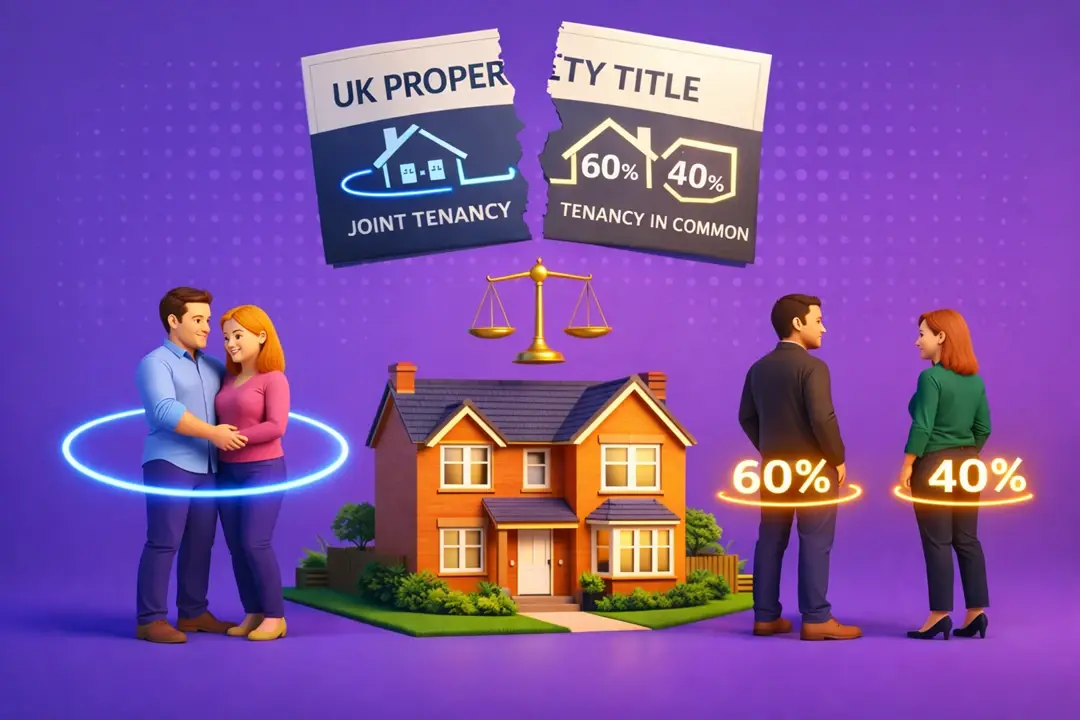
Real Life Example
When Daniel and Ayesha bought their home, they assumed ownership was straightforward.
Years later, when their circumstances changed, they discovered something unexpected,
their ownership structure didn’t reflect their financial contributions or future plans.
What seemed like a simple decision at the start had long-term legal consequences.
This situation is more common than most people realise.
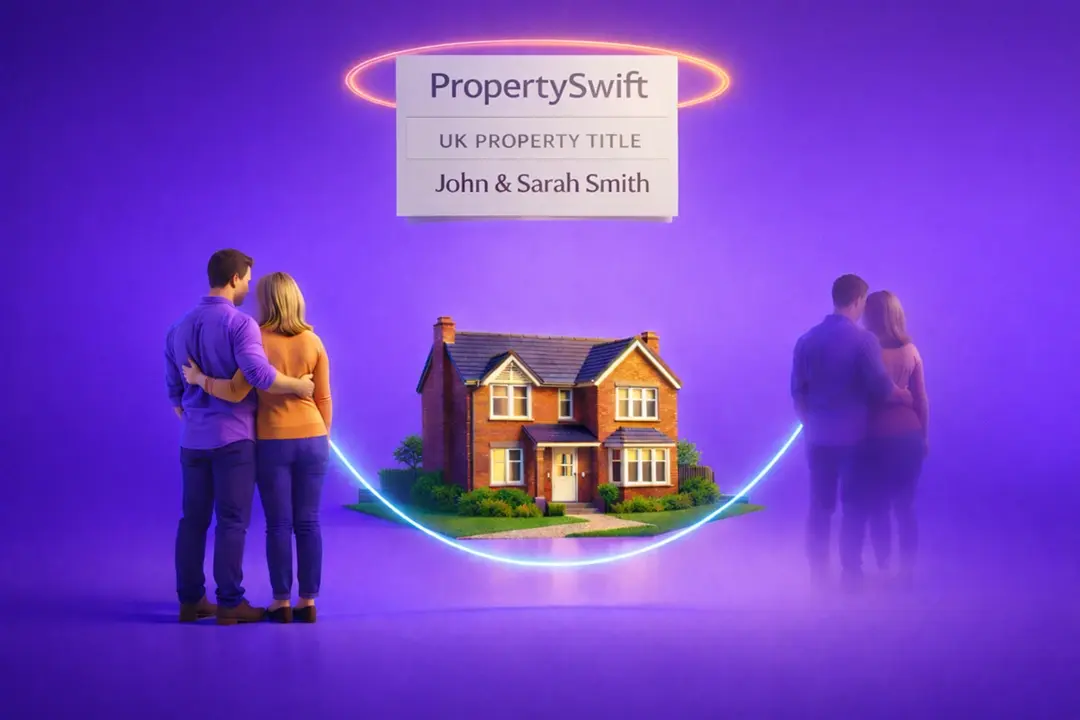
What Is Joint Tenancy?
Joint tenancy means all owners hold equal ownership of the entire property, with no separate shares.
Key Features:
- Equal ownership between all parties
- No defined percentage shares
- Right of survivorship
What Is the Right of Survivorship?
If one owner passes away, their interest automatically transfers to the surviving owner(s), regardless of any will.
Best For:
- Married couples
- Long-term partners
- Situations based on mutual trust
Legal vs Beneficial Ownership Explained
One of the most misunderstood aspects of property ownership in England and Wales is the difference between:
- Legal ownership (registered at HM Land Registry)
- Beneficial ownership (who actually benefits from the property)
In joint tenancy, both are typically aligned.
In tenancy in common, beneficial ownership can be divided into shares, even though the legal title is jointly held.
This distinction is critical in:
- Divorce settlements
- Tax planning
- Inheritance distribution

COMPARISON TABLE
Joint Tenants vs Tenants in Common
|
Feature |
Joint Tenants |
Tenants in Common |
|
Ownership |
Equal |
Flexible shares |
|
Legal Shares |
Not defined |
Clearly defined |
|
Inheritance |
Automatic |
Via will |
|
Control |
Shared |
Individual |
|
Beneficial Interest |
Equal |
Variable |
|
Best For |
Couples |
Investors/families |
How to Change Joint Tenants to Tenants in Common
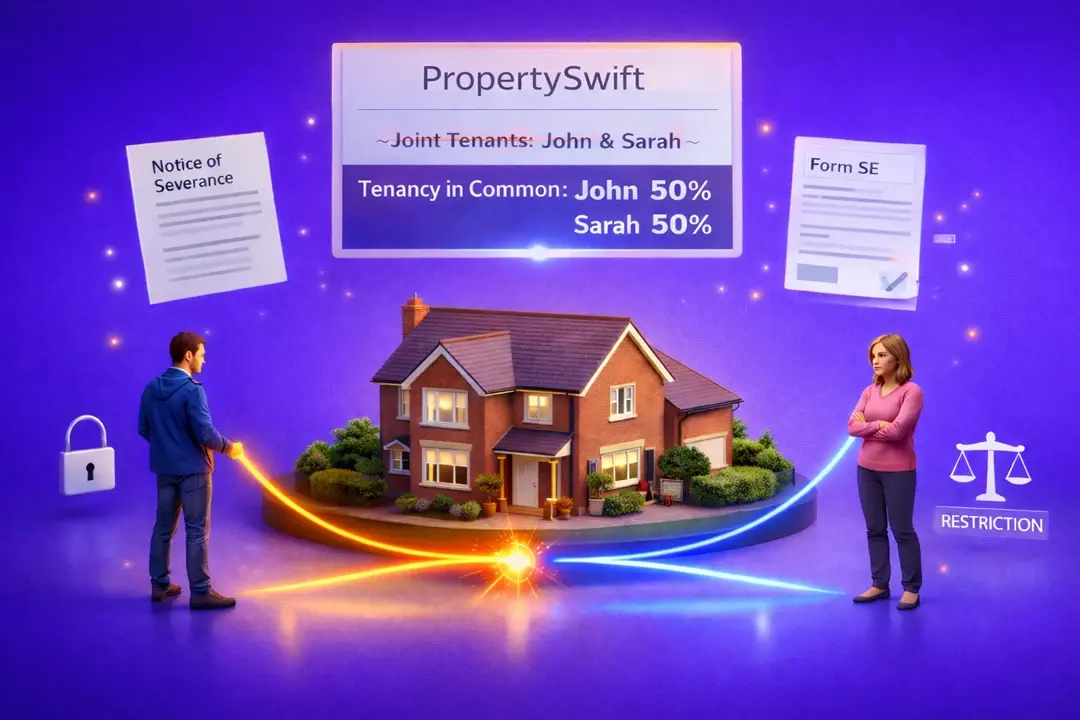
Changing ownership structure is legally known as severing a joint tenancy.
This involves:
- Notice of Severance
A formal declaration that ownership will no longer be joint - Updating the Title Register
Submitting changes to HM Land Registry - Adding a Restriction
A legal note ensuring the property reflects shared ownership
Important Form:
In many cases, you’ll need to submit Form SE to HM Land Registry to record the change formally.
Do Both Owners Need to Agree?
Not always.
In some cases, one owner can initiate severance, but the legal implications must be handled carefully.
When Does This Actually Matter?
Divorce or Separation
Changing to tenants in common allows each party to protect their share and avoid automatic transfer.
Inheritance Planning
If you want your share to go to children or family members (instead of your co-owner), tenancy in common is essential.
Unequal Contributions
If one party contributed more financially, defining shares ensures fairness.
Investment Properties
Business partners often prefer tenancy in common for flexibility and control.

Can You Change Ownership Structure Easily?
Yes, but the traditional process can be slow, confusing, and paperwork-heavy.
That’s where Property Swift comes in.
A Faster, Digital Way to Change Ownership
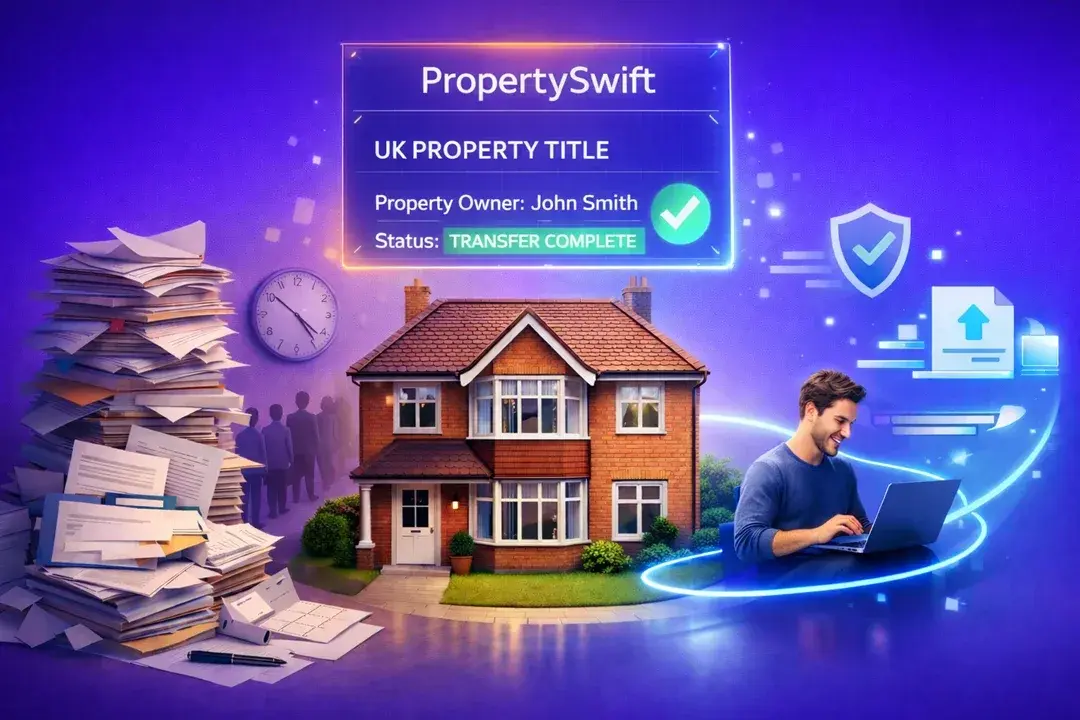
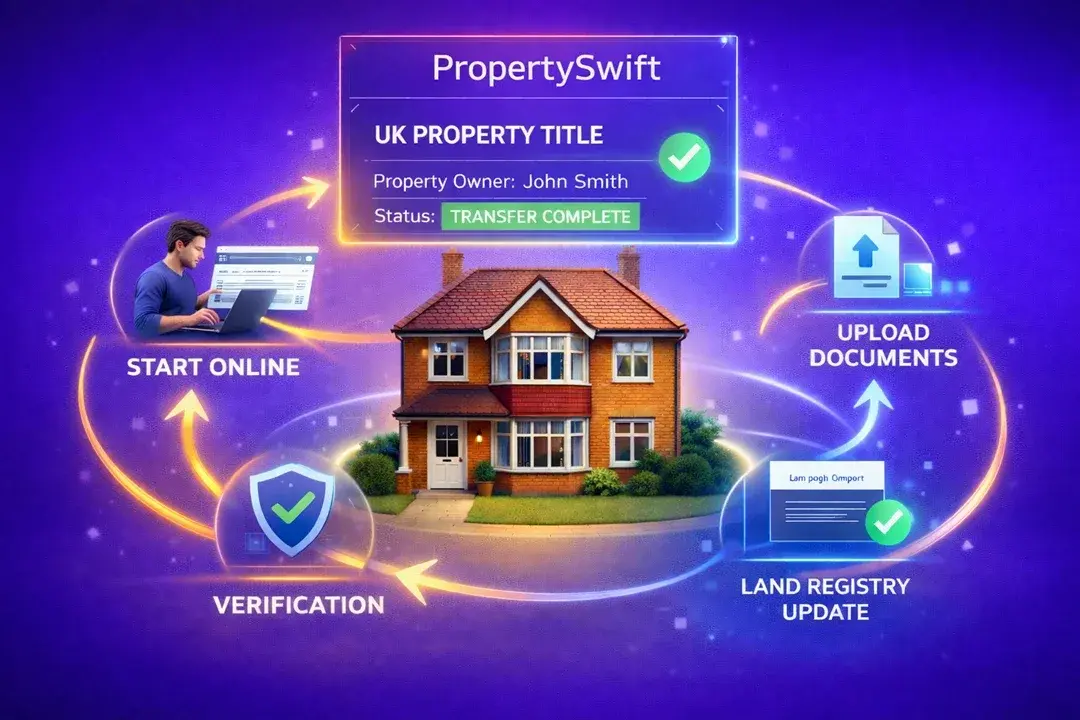
Property Swift offers a fully online property transfer service designed to simplify the process.
With Property Swift, you can:
- Start your ownership change online
- Complete identity checks digitally
- Submit documents securely
- Avoid unnecessary delays
All handled in line with UK property requirements.
How Our Process Works
- Start Online
Provide your property and ownership details - Upload Documents
Submit the required information securely - Verification
We prepare your case for submission - Land Registry Update
Ownership structure is officially updated
Ready to Take Control of Your Property Ownership?
Making the right decision today can prevent legal complications tomorrow.
Frequently Asked Questions
Can I change joint tenants to tenants in common without a solicitor?
Yes, but the process must comply with legal requirements and Land Registry procedures. For Further Details on this, read our Blog
Can one owner force a change to tenants in common?
In certain cases, yes, through severance, but this should be handled carefully.
Is there a cost to change the ownership type?
Yes, including administrative and Land Registry-related costs.
How long does the process take?
Timelines vary, but digital services can significantly reduce delays.
Does this affect inheritance tax?
It can, especially when structuring ownership for estate planning.
What is Form SE?
Form SE is used to notify HM Land Registry of a severance of joint tenancy.
What happens if I don’t change the ownership structure?
Your property may not be distributed according to your wishes after death.
Is tenancy in common better for tax purposes?
It ends on your situation, particularly regarding inheritance planning.